
Life abroad
Therapy for expats, when home is in two places
I work online, one to one, with people who live far from where they grew up. I have lived in Rome, Budapest and London myself. Sessions last about 60 minutes, in English or Italian.
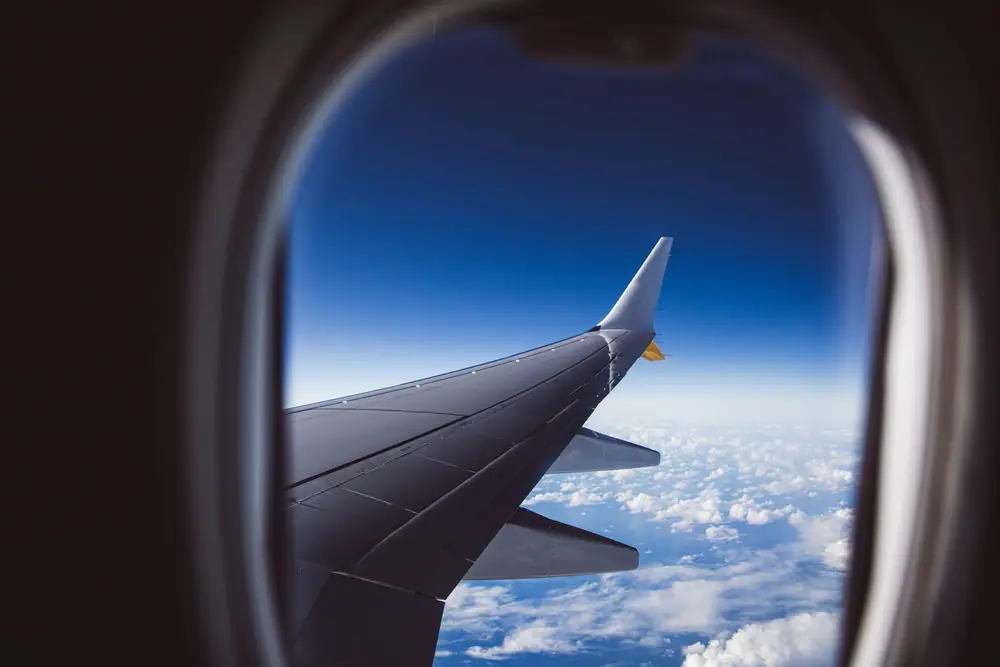
What life abroad can sound like
I don’t feel at home here, and not there any more either.
Everyone thinks I’m living the dream.
I miss things I can’t even name.
In this language, I don’t sound like myself.
If one of these sentences sounds like yours, we can start there.
Request your free first sessionHomesickness is not a weakness
Moving abroad is often described as an adventure, and it can be one. It is also a loss. You leave behind a language, a landscape, the people who knew you before you had to explain yourself, the small habits that held your days together. Homesickness is the way the body and the heart remember all of this.
It does not always come in the first months. Sometimes it arrives years later, after a birth, a death, a birthday spent far from your family, or simply on a grey afternoon when nothing seems to belong to you. Missing home simply says that something mattered, and that it deserves a place.

Culture shock, and the shock of coming back
Culture shock is the tiredness of living where the rules are not yours. Simple things take effort: a phone call, a joke at work, knowing when to speak and when to stay quiet. Over time you may feel irritated, lonely, or strangely flat, without knowing why.
There is also a reverse culture shock. When you go back, for a holiday or for good, home has changed, and so have you. Old friends may not ask about your life abroad, and you may feel like a guest in the place you came from. Both experiences are common, and both can be talked about.
Between two languages
I offer sessions in English and in Italian, and we can move between the two. Some feelings are easier to say in a second language, because it keeps a little distance. Others only come alive in the language of childhood. Noticing which language a memory chooses is often part of the work.
I know, from the inside, what it means to start again somewhere new: the excitement, the loneliness, the moments when you no longer feel fully at home anywhere. That experience does not replace your story, but it helps me listen to it.

What we can work on
People living abroad come to me for many reasons: loneliness and the effort of making new friends, a relationship with a partner from another culture, the decision to stay or to go back, parents getting older far away, work that has taken over everything, or a sense of identity that no longer fits. We start from what you are living now, and we look at what it touches in your history.
If your life abroad also brings bigger questions about meaning and direction, my page on existential and spiritual crisis may speak to you too.
Three things to know before we start
Wherever you live
Sessions take place online, on Google Meet, from the UK or from another country, at a regular time.
In your language
English or Italian, and we can move between the two when it helps.
At your pace
We start with a period to assess together whether the work suits you. There is no fixed number of sessions.
Questions about therapy for expats
Can I see you if I don’t live in the UK?
Yes. I work online with people who live in the UK and in other countries. We find a regular time that works with both time zones.
Is it normal to feel homesick after years abroad?
Yes. Homesickness can return long after a move, often around important moments in life. It is not a sign that you have failed to settle.
What is culture shock?
It is the stress of living in a culture whose rules are not yours. It can show up as tiredness, irritation, loneliness or a loss of confidence, and it often comes in waves.
What is reverse culture shock?
It is the disorientation many people feel when they return home after living abroad: home has changed, they have changed, and the two no longer fit as before.
Should I have therapy in my first language?
Not necessarily. Some people prefer their first language, others find a second language easier for certain things. With me you can use English, Italian, or both.
What if I am in crisis right now?
Contact the emergency services where you are: 999 in the UK, 112 in the European Union. In the UK, Samaritans answer on 116 123, day and night.
Would you like to talk about it?
Request your free first session of 25 minutes. We can decide together whether to begin.